Roofing
How to Cut Metal Roofing: The Complete South Florida Roofing Guide
Cutting metal roofing panels correctly is critical for a watertight, code-compliant install in South Florida's High-Velocity Hurricane Zone. This guide covers every tool, technique, and safety step you need to know.
Reviewed by Aldo Dellamano, Licensed General Contractor · Last updated April 2026
Introduction
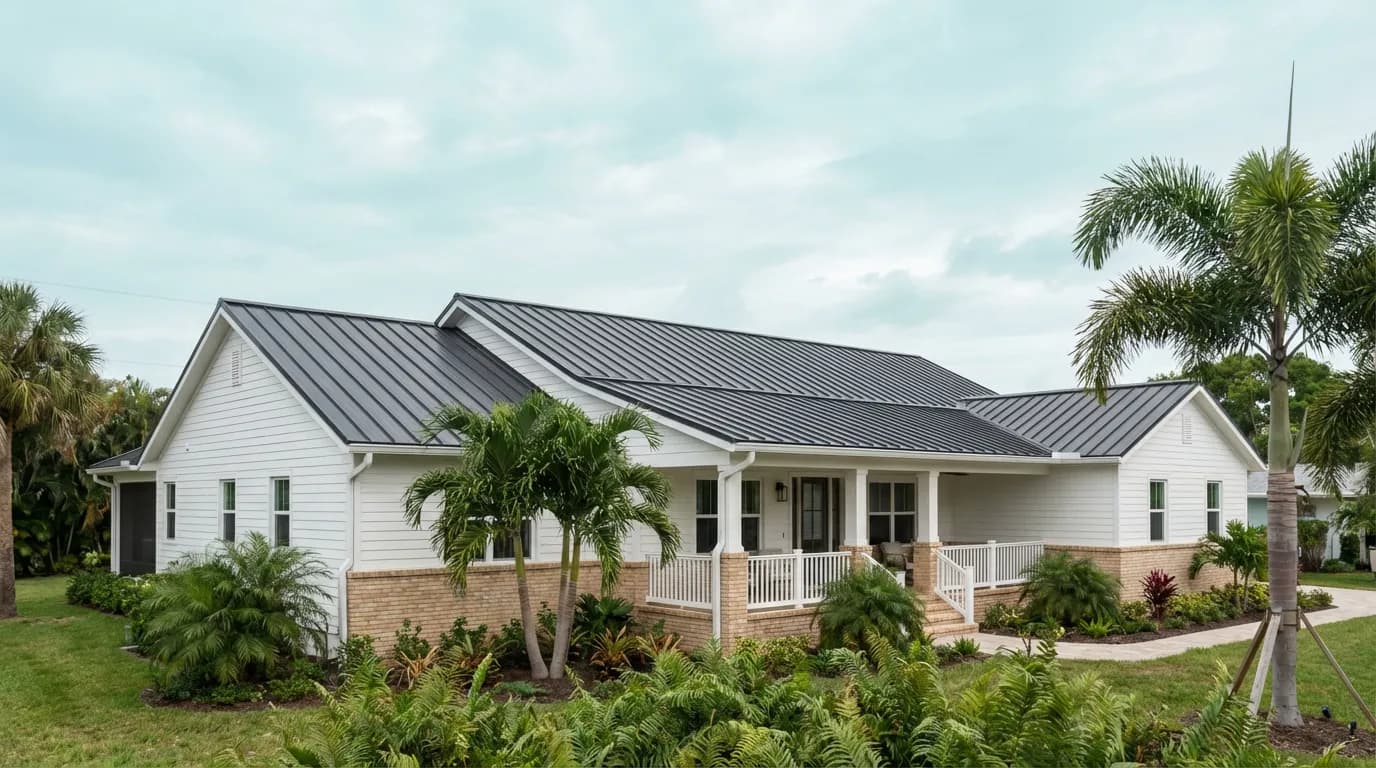
etal roofing is one of the smartest investments a South Florida homeowner can make. It withstands 140+ mph winds, sheds heavy rain in seconds, and outlasts most other roofing materials by decades.
But before a single panel goes up, every sheet has to be cut — around ridge lines, valleys, skylights, chimneys, and eave overhangs. Cut a panel wrong, and you risk jagged edges that trap moisture, voids in the seal, and panels that simply don't fit the geometry of your roof.
Cut it right, and the system performs exactly as engineered. Whether you're a hands-on homeowner trying to understand the process or a DIYer taking on a small repair section, this guide walks you through the tools, the techniques, and the critical South Florida-specific considerations that most generic tutorials completely ignore.
Got questions about your roof or bathroom?
Get a free, no-pressure estimate from Haven's licensed Florida team.
Metal roofing installations in South Florida must comply with the Florida Building Code High-Velocity Hurricane Zone (HVHZ) standards enforced in Miami-Dade and Broward counties, which require Miami-Dade Notice of Acceptance (NOA) approved materials, 175+ mph wind uplift resistance, and fastening patterns that meet or exceed the specifications of the approved product's installation instructions — making every cut, every edge, and every seam a code compliance issue, not just an aesthetic one.
A poorly cut panel doesn't just look bad. In South Florida's climate, an uneven or burr-riddled edge creates a moisture ingress point that the region's 60+ inches of annual rainfall will exploit relentlessly. Salt air — especially acute within a mile of the coastline in areas like Miami Beach, Aventura, and Coral Gables — accelerates galvanic corrosion at any exposed raw metal edge. That means the cut edge of a panel must be clean, deburred, and, depending on the panel material, treated with a cut-edge sealant or touch-up paint.
“In South Florida's climate, an uneven or burr-riddled edge creates a moisture ingress point that the region's 60+ inches of annual rainfall will exploit relentlessly.”
If you're exploring metal roofing for your home, our metal roofing service page covers the full system — from panel profiles to NOA-approved fasteners. And if you want to understand how long your investment should last in Florida's conditions, our guide on how long a roof lasts in Florida is essential reading before you pick up a tool.
140–180 mph
HVHZ Wind Rating Requirement
Miami-Dade & Broward counties under Florida Building Code
60+
Inches of Annual Rainfall
South Florida average — every cut edge is a potential leak point
Under 3%
Haven Warranty Callback Rate
Industry-low rate reflecting Haven's in-house quality control
40–70 yrs
Metal Roof Lifespan in Florida
When properly installed and cut with clean, sealed edges
Free Roofing Estimate
Ready to talk through your roof?
Tell us about your home and project. We'll get back to you within 24 hours with a free, no-obligation estimate from our licensed Florida roofing crew.
- Licensed & Insured FL Contractor
- Local crew, no subcontractors
- Free, no-obligation estimate
- We respond within 24 hours
4.9 / 5 from 500+ homeowners
Get Your Free Estimate
No obligation. We'll respond within 24 hours.
Common Questions
Frequently Asked Questions
From the Blog
Continue Reading
Roofing
What Is Modified Bitumen Roofing? A South Florida Homeowner's Complete Guide
Learn what modified bitumen roofing is, how it performs in South Florida's heat and hurricanes, and whether it's right for your flat or low-slope roof.
Read articleRoofing
How to Install Roll Roofing: A Complete South Florida Roofing Guide
Learn how to install roll roofing on South Florida homes — materials, step-by-step process, HVHZ code tips, and when to call a licensed pro instead.
Read articleRoofing
What Is the Best Roofing Material for South Florida Homes?
Tile, metal, or shingles? Discover what is the best roofing material for South Florida's heat, humidity, and hurricanes — with costs and lifespans.
Read article